Pages

Wednesday, October 26, 2016

Mountain Feist

This week’s Appalachian word is FEIST (MOUNTAIN FEIST) Rhymes with heist.


My first dog and best friend was a Mountain Feist/Beagle mix named Caspy. A feist is similar to a rat terrier, with longer legs. Their main function, besides being a best friend, is being a squirrel hunting dog.


I didn’t enjoy my dad’s hunting trips for squirrel. For one thing, skinned squirrels, without their fluffy tails, look like rats. I have never been able to force myself to eat a rat.


My father’s favorite part of the squirrel, though, was even worse. He loved to eat squirrel brains in scrambled eggs. I had to leave the house when those were cooking on the kitchen stove.

But, I digress. 

A feist is a fabulous dog. Honorable, pleasant, cuddly, and smart. I spent a lot of time on the front porch swing with Caspy. I had to make sure I didn’t swing too fast, though. She didn’t like wild rides and would jump out and run to the yard, after giving me a judgmental glare.

Like most hillbilly dogs during those days, she was an outside dog. Her domain was limited to the fenced in front yard. However, when we went next door to visit Granny, she pulled one over on Mom. Remember, I said feists are smart. She would jump up onto the screen door and lock her claws onto the wood cross-frame and then back up. When the door was open enough, she dropped and ran inside.

When we got back home, she sat on the front steps and licked her lips as we passed by. It didn’t take long to discover why she seemed so proud of herself. Trash littered the entire kitchen.

During the years when I needed some loving on, Caspy was always there for me. That is when I learned the meaning of unconditional love. Hmmm. Maybe I need to find another friend to share my home. Maybe…


Mountain Feist

This week’s Appalachian word is FEIST (MOUNTAIN FEIST) Rhymes with heist.


My first dog and best friend was a Mountain Feist/Beagle mix named Caspy. A feist is similar to a rat terrier, with longer legs. Their main function, besides being a best friend, is being a squirrel hunting dog.


I didn’t enjoy my dad’s hunting trips for squirrel. For one thing, skinned squirrels, without their fluffy tails, look like rats. I have never been able to force myself to eat a rat.


My father’s favorite part of the squirrel, though, was even worse. He loved to eat squirrel brains in scrambled eggs. I had to leave the house when those were cooking on the kitchen stove.

But, I digress. 

A feist is a fabulous dog. Honorable, pleasant, cuddly, and smart. I spent a lot of time on the front porch swing with Caspy. I had to make sure I didn’t swing too fast, though. She didn’t like wild rides and would jump out and run to the yard, after giving me a judgmental glare.

Like most hillbilly dogs during those days, she was an outside dog. Her domain was limited to the fenced in front yard. However, when we went next door to visit Granny, she pulled one over on Mom. Remember, I said feists are smart. She would jump up onto the screen door and lock her claws onto the wood cross-frame and then back up. When the door was open enough, she dropped and ran inside.

When we got back home, she sat on the front steps and licked her lips as we passed by. It didn’t take long to discover why she seemed so proud of herself. Trash littered the entire kitchen.

During the years when I needed some loving on, Caspy was always there for me. That is when I learned the meaning of unconditional love. Hmmm. Maybe I need to find another friend to share my home. Maybe…


Wednesday, October 19, 2016

Appalachian Language - Holler


Photo Courtesy of Corinne Milwee Farley

I’m a hillbilly. I spent the first days of my life in a coal mining camp in Harlan County, Kentucky. After my folks moved into a small rental house in Loyall, Kentucky, on Daddy’s days off from his Greyhound driving schedule, we either visited Granny at Chevrolet Mining Camp or my dad’s mother on top of Pine Mountain.

Life was simple, but hard, back then. A water pump outside provided watering needs. Down a little path stood an outhouse for “those” needs. Chickens roamed freely to provide meat and eggs. Everyone worked the garden so there would be vegetables year round. It was hard work, but nobody complained about it; instead, we all did what was necessary to survive.

When I grew up and went away to college, I learned how the outside world judged me by where I came from. I worked hard to rid myself of the telltale accent of my people. From time to time, people laughed at the words I used from my “language.” It was okay to have a Spanish, British, Italian, German, French, or even Indian accent, but many people considered a hillbilly accent meant we were all ignorant.

Far from it. Hillbilly is a language, just like all the rest. We have our brilliant minds, our creative geniuses, and our not-so-brilliant exceptions.

So, in this blog, I plan to translate some of my language so you will have a better understanding of my culture and can communicate more effectively with my fabulous culture of the Appalachian (Apple-AT-chun) people.

HOLLER


Deep in the mountains of southeastern Kentucky where I was reared, fog snuggled the mountains at night and late into the morning before the heat of the sun burned it off or changed it into dew to nurture the flora and fauna of the dense forests.

The last place to lose the fog each day is the first word I’m going to define for you. Holler.

Photo Courtesy of Corinne Milwee Farley


A holler (or hollow) is the low place between mountains. If you look at the photos above, everywhere there is a wrinkle in the mountains you will generally find a holler. Generally, the people settled into hollers because they were more accessible. Generally, a holler contains a gentler incline and is easier to clear enough land to build a house, plant a garden, and have some chickens. Also, an underwater spring or creek usually flows in the deepest grooves of the holler.

Photo Courtesy of Corinne Milwee Farley

My mother always told me that the further up the holler people live, the thicker their accent. She also told me that they called them hollers because when mothers needed their family to come home, they’d go out on the porch and “holler” up the holler. The sound echoed between the mountains on either side and the sound carried further. Not sure if that’s true, but it makes for a good story. Living in Appalachia is all about the story.

Photo Courtesy of Tammy Hyatt

Photo Courtesy of Tammy Hyatt

Photo Courtesy of Tammy Hyatt

Photo Courtesy of Corinne Milwee Farley

Photo Courtesy of Corinne Milwee Farley


Appalachian Language - Holler


Photo Courtesy of Corinne Milwee Farley

I’m a hillbilly. I spent the first days of my life in a coal mining camp in Harlan County, Kentucky. After my folks moved into a small rental house in Loyall, Kentucky, on Daddy’s days off from his Greyhound driving schedule, we either visited Granny at Chevrolet Mining Camp or my dad’s mother on top of Pine Mountain.

Life was simple, but hard, back then. A water pump outside provided watering needs. Down a little path stood an outhouse for “those” needs. Chickens roamed freely to provide meat and eggs. Everyone worked the garden so there would be vegetables year round. It was hard work, but nobody complained about it; instead, we all did what was necessary to survive.

When I grew up and went away to college, I learned how the outside world judged me by where I came from. I worked hard to rid myself of the telltale accent of my people. From time to time, people laughed at the words I used from my “language.” It was okay to have a Spanish, British, Italian, German, French, or even Indian accent, but many people considered a hillbilly accent meant we were all ignorant.

Far from it. Hillbilly is a language, just like all the rest. We have our brilliant minds, our creative geniuses, and our not-so-brilliant exceptions.

So, in this blog, I plan to translate some of my language so you will have a better understanding of my culture and can communicate more effectively with my fabulous culture of the Appalachian (Apple-AT-chun) people.

HOLLER


Deep in the mountains of southeastern Kentucky where I was reared, fog snuggled the mountains at night and late into the morning before the heat of the sun burned it off or changed it into dew to nurture the flora and fauna of the dense forests.

The last place to lose the fog each day is the first word I’m going to define for you. Holler.

Photo Courtesy of Corinne Milwee Farley


A holler (or hollow) is the low place between mountains. If you look at the photos above, everywhere there is a wrinkle in the mountains you will generally find a holler. Generally, the people settled into hollers because they were more accessible. Generally, a holler contains a gentler incline and is easier to clear enough land to build a house, plant a garden, and have some chickens. Also, an underwater spring or creek usually flows in the deepest grooves of the holler.

Photo Courtesy of Corinne Milwee Farley

My mother always told me that the further up the holler people live, the thicker their accent. She also told me that they called them hollers because when mothers needed their family to come home, they’d go out on the porch and “holler” up the holler. The sound echoed between the mountains on either side and the sound carried further. Not sure if that’s true, but it makes for a good story. Living in Appalachia is all about the story.

Photo Courtesy of Tammy Hyatt

Photo Courtesy of Tammy Hyatt

Photo Courtesy of Tammy Hyatt

Photo Courtesy of Corinne Milwee Farley

Photo Courtesy of Corinne Milwee Farley


Appalachian Language - Holler


Photo Courtesy of Corinne Milwee Farley

I’m a hillbilly. I spent the first days of my life in a coal mining camp in Harlan County, Kentucky. After my folks moved into a small rental house in Loyall, Kentucky, we either visited Granny at Chevrolet Mining Camp or my dad’s mother on top of Pine Mountain on Daddy’s days off from his Greyhound driving schedule.

Life was simple, but hard, back then. A water pump outside provided watering needs. Down a little path stood an outhouse for “those” needs. Chickens roamed freely to provide meat and eggs. Everyone worked the garden so there would be vegetables year round. It was hard work, but nobody complained about it; instead, we all did what was necessary to survive.

When I grew up and went away to college, I learned how the outside world judged me by where I came from. I worked hard to rid myself of the telltale accent of my people. From time to time, people laughed at the words I used from my “language.” It was okay to have a Spanish, British, Italian, German, French, or even Indian accent, but too many people considered a hillbilly accent meant we were all ignorant.

Far from it. Hillbilly is a language, just like all the rest. We have our brilliant minds, our creative geniuses, and our not-so-brilliant exceptions.

So, in this blog, I plan to translate some of my language so you will have a better understanding of and can communicate more effectively with my fabulous culture of the Appalachian (Apple-AT-chun) people.

HOLLER


Deep in the mountains of southeastern Kentucky where I was reared, fog snuggled the mountains at night and late into the morning before the heat of the sun burned it off or changed it into dew to nurture the flora and fauna of the dense forests.

The last place to lose the fog each day is the first word I’m going to define for you. Holler.

Photo Courtesy of Corinne Milwee Farley


A holler (or hollow) is the low place between mountains. If you look at the photos above, everywhere there is a wrinkle in the mountains you will find a holler. Basically, the people settled into hollers because they were more accessible. A holler contains a gentler incline and is easier to clear enough land to build a house, plant a garden, and have some chickens. Also, an underwater spring or creek usually flows in the deepest grooves of the holler.

Photo Courtesy of Corinne Milwee Farley

My mother always told me that the further up the holler people live, the thicker their accent. She also told me that they called them hollers because when mothers needed their family to come home, they’d go out on the porch and “holler” up the holler. The sound echoed between the mountains on either side and the sound carried further. Not sure if that’s true, but it makes for a good story. Living in Appalachia is all about the story.

Photo Courtesy of Tammy Hyatt

Photo Courtesy of Tammy Hyatt

Photo Courtesy of Tammy Hyatt

Photo Courtesy of Corinne Milwee Farley

Photo Courtesy of Corinne Milwee Farley


Friday, March 25, 2016

Does Your Pain Compare?


I spent last week in the hospital.

I thought I was going in for a quick out-patient surgery to repair my torn rotator cuff.

That didn’t happen…

Instead, I nearly crashed on the table before they even put me under. I turned blue. I couldn’t breathe.

I thought I was dying.

My surgeon canceled the surgery and I was admitted to the Cardiac department to determine what had gone wrong—and to get my heart rate back down to normal.

In my racing heart, I whined.


I whined a lot that week. I hate having tests done that hurt, make me uncomfortable, that require a second IV line with a larger needle right in the bend of my only good arm.


I whined because they performed a nerve block on my right shoulder before surgery was canceled that rendered my entire arm a dead, lifeless, dangling appendage that served no purpose but to receive all the injections they kept stabbing me with.


I griped about the lack of food or water I was allowed – because of all the tests they had to perform. Then I griped about the food they brought me. Apparently, the dietitian in the hospital has no concept of “a restricted diet” for diabetics or heart patients.


I complained that I couldn’t sleep because I was so uncomfortable and when I attempted to lay my head down to rest, I couldn’t breathe again.

I grumbled when every few minutes I had to unhook my oxygen and attempt to make it to the bathroom AGAIN because they shot me full of Lasix. It didn’t help that I only had one arm, with two IVs in the wrong places for the task at hand, and one dead arm that merely dangled uselessly and in the way.


And then…

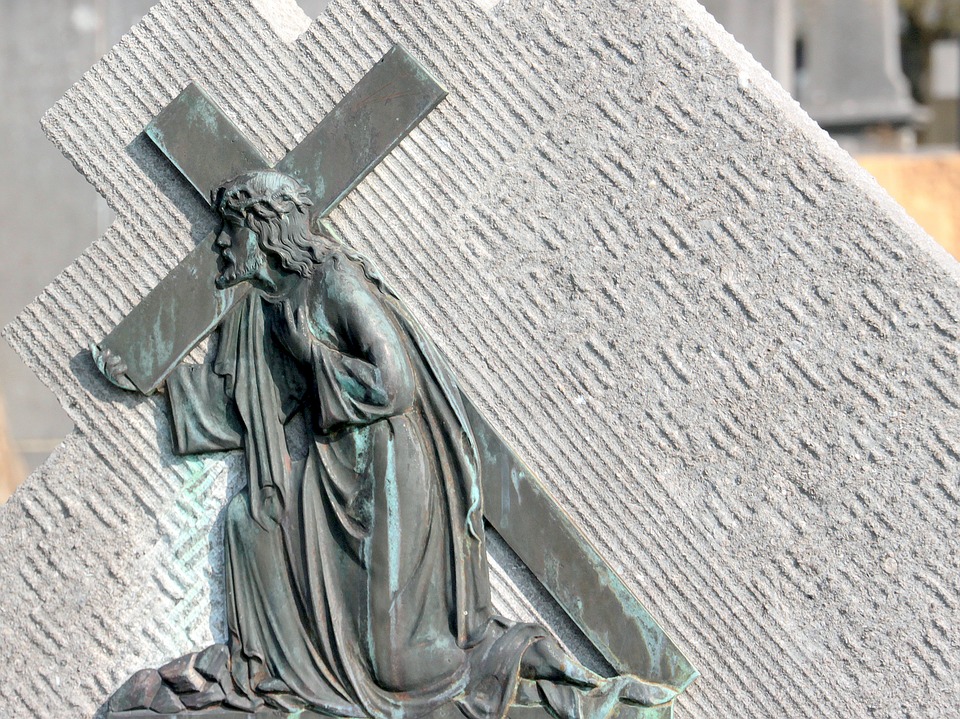
This morning I awoke thinking about Jesus on that Good Friday so long ago.


My temporary and minor pain in no way compares to his.

My discomfort and bruises from needle pricks were minimal compared to the wounds he received from repeated flogging with metal barbs that cut into his flesh.

My pain can never compare to the pain he must have felt as he took on the sin of the world.

My damaged shoulder, dead arm, and needle-stabbed arms in no way compare to his journey through the streets carrying the cross he would soon be nailed to.

So, today I cry. Not out of pity for myself, but out of shame for even suggesting that a couple of weeks of discomfort can compare with the supreme sacrifice Christ made to give me eternal life.

It’s not a sad story, though, because his death was not in vain.


Yes, my friends, Sunday is coming.

No matter what we experience in life, our Sunday is coming. And with it comes healing and life for eternity.

For by his stripes, we are healed.


Tuesday, January 26, 2016

When Grief Lingers


Hard to believe it’s been a year. A year since Mom breathed her last breath just down the road from where she breathed her first breath 87 years before.

One of her last photos.
One of her first photos.


Snow covers her grave today. I remember how much she hated the snow, hated winter, hated driving on slick roads. 

Our front yard.


Summer suited her well. I remember the summer days she spent reclining on a blanket in the back yard, soaking up the rays. If I close my eyes, I can remember the fragrance of her suntan oil, mixed with the baking grass beneath her blanket. I loved sneaking up on her and spraying her with the water hose she kept handy to mist herself when the sun baked a bit too strongly. We both giggled and I ended up as wet as she.


In winter, when the sun barely shone, she huddled into her chair, wrapped in a blanket, in front of the heating stove and read books about castles and romance.

I got my love of reading from her.


So many things I now wish I had said to her. Also, quite a few I wish I hadn’t said.

She wore her opinions on her face like her favorite shade of lipstick. If she liked you, you knew it. If she didn’t, well, you knew that, too.


Halloween. She's the clown.


I didn’t know most of her friends by their names. I knew them by her nicknames for them. It was obvious how she really felt about someone by their nickname -- like Blabbermouth or Stinky. When I chastised her for being so judgmental, she informed me she wasn’t judging, she was observing.

Dancing was one of her favorite pastimes. When music started, she was on the floor dancing. She especially loved dancing with young men with dark hair and “hairy faces.”

A couple of weeks before she got sick.

A friend she met while working at Belks. He delivered the boxes to her.


We had a few adventures together. Like the trip she made to NYC to visit me. I took her to see Dracula on Broadway. She loved it so much that she insisted upon waiting outside the stage door to get Frank Langella’s autograph. When he emerged into the alley, she ran up to him for the autograph and when he leaned down to her five-foot frame to hear her talking in her Kentucky twang, she grabbed him and laid a big kiss on him. A few weeks later, Mom passed out in the streets of Harlan and Dad took her to the hospital. They discovered she had been hemorrhaging and needed a blood transfusion. I laughed and told her, “That’s what you get for kissing a vampire.”

Life is short. Grief is not. I still have days when I wish I could call her one more time. Hug her one more time. Shop with her until I drop one more time. Hear her stories one more time. 

Sometimes the pain takes my breath. Tears well up in my eyes and drip down my cheek with a remembrance that squeezes my heart, out of the blue, without warning. 

I see something in a shop that I know she would love and pick it up and start to walk to the cashier. Then it hits me. I can't give her anymore of those little gifts. The tears return.

Grief is a struggle. It's a journey. It's melancholy, sadly sweet, and depressing.

But...

The joy comes in knowing where she is. I prayed for her salvation since I was twelve years old. I didn’t know until the last few days of her life that she was confident in where she would go when she passed.


I miss you Mumsie. Keep dancing.

Jessie Gertrude Everett Nolan


Getting sugar from a singer who performed in Harlan.


Mom's last birthday.


Our last Christmas together before Dad got sick.


Hair in pin-curls, rocking in front of the TV. 

 
Mom loved watermelon.


Mom and Dad


Mom and her sisters.


The last photo.

A rose from her funeral.