Pages

Showing posts with label mountain food. Show all posts

Wednesday, November 7, 2018

Appalachian Word of the Week -- BACON GREASE


We had very little in the way of spices in our mountain home. Salt and pepper comprised the entire list for daily additives for our food.

In an effort to add a bit of pizzazz to the flavor of foods, we sometimes added onion or butter. However, to make food more than merely palatable, we added a secret ingredient that I doubt even Colonel Sanders added to his secret recipe -- BACON GREASE.

Pigs were common in the mountains. They took up less space than cattle and didn't have to forage for food. I remember several pig farmers visiting the school cafeteria after lunch to get all the food dumped into the trash cans. Slop.

At least some creature on earth wanted to eat it. I rarely ate the lunches at school. Saying I was a picky eater is an understatement.

Thankfully, the pig farmers fed all the slop to the pigs, who grew up to become my favorite food -- BACON. And the bacon added its glorious seasoning to some less-than-favorite foods to make them tolerable.

Bacon Grease container
Available at As Time Goes By on Etsy
Almost every mother used BACON GREASE. We didn't have to cook bacon for each meal. Instead, the BACON GREASE from breakfast -- or whenever -- was poured into a container for use later.

Some families had enough money to purchase a fancy BACON GREASE container. Yes, there is such a thing even today. In my house, we used an old discarded coffee can to hold the BACON GREASE. It sat on the stove always, easily available for the next meal.

As Mom cooked her potatoes or green beans, she'd dip into the coffee can of BACON GREASE and add some to the food. If you've never tried it, you don't know what you're missing.

Of course, some foods don't lend themselves to BACON GREASE. I know, a shock. Sweets and bread required lard, Crisco, or butter instead.

Today's BACON GREASE containers include a strainer to remove any crumbles and bits of meat.

Did your Mom and Grandma use BACON GREASE in their cooking? Do you use it in your cooking still today? What's the best thing you've eaten with BACON GREASE as the seasoning?

Wednesday, April 5, 2017

Appalachian Word of the Week -- JEET YIT?


How many of you have heard this term used? If you’ve been anywhere near the mountains of Kentucky, I’m sure you have. Know what it means?

JEET YIT? Is the question one person asks another when it’s near meal time. Usually, it means you would be right willing to join the person for a meal. Sometimes it means you would be right pleased to join them at their house for some vittles. Other times, you’re offering a meal to the person from the spread you have cooked up at your own house. Nowadays, it might mean you’d be open to taking a trip out to KFC or Rax for a bite to eat.

Know what JEET YIT? means yet? It means DID YOU EAT YET?

A little bit of breakfast
That meal might be breakfast, dinner, or supper. We don’t have lunch in the mountains. We have dinner. In the evening, we have supper.

If you’re having a meal together at somebody’s house, expect quite the spread. Breakfast from my daddy included bacon or sausage, eggs, fried potatoes, cathead biscuits with apple butter or creamed honey and butter. On special days, he also made buttermilk gravy.

Dinner usually included something quick like fried baloney sandwiches and fresh sliced tomatoes. In the winter, we might have a big pot of homemade beef vegetable soup and cornbread.

Fried baloney with mayo on white bread
Supper usually had a lot more choices than any other meal. We could have fried chicken (fresh from the back yard), frog legs, or a fried fish somebody caught that day. Then we had soup beans, onions, tomatoes, cornbread, cucumbers, corn on the cob, fried potatoes and onions, and anything else we could pick or pluck from the garden.

I’m getting hungry just thinking about it. Hey, friend, JEET YIT?

What's your favorite mountain food that makes you drool to think about it?

*Special thanks to Harlan County friend, Ken Hensley, for the food photos.

TWEETABLES

Appalachian Word of the Week - JEET YIT? (Click here to Tweet)

What's your favorite mountain food that makes you drool to think about it? (Click here to Tweet)

A few more food photos:

Sliced tomatoes and onions go with anything

A pot of soup or stew can feed a lot of mouths

Gotta have a pone of cornbread 

Breakfast of fried baloney and biscuits and gravy

More breakfast options of fried potatoes and scrambled eggs

Wednesday, January 18, 2017

Appalachian Word of the Week -- HOECAKES


This week’s word is HOECAKES.


There are several recipes for hoecakes. I’m going to tell you how we made them in my house when I grew up. But first, I’ll tell you a little about the history of HOECAKES.

Every person you ask will probably tell you a different story about how hoecakes came about and what the recipe should be. HOE supposedly is the word for griddle in seventeenth century England where they made flat unleavened bread on a stone or griddle.


Another story comes from the deep south when slaves cooked a cake of meal and water on their hoes in the fields. The recipe for their HOECAKES included meal and water alone. Most experts consider that a rich story, not based on fact. Wish I knew for sure.

It’s also documented that George Washington and his men fed on HOECAKES during the Revolutionary War. Not quite sure who documented it. Believe it if you will. Although it makes sense as something they could easily make and carry with them into battle.

During the Depression Era, a lot of Appalachian recipes had their start. Many recipes varied based on the ingredients they had access to. Most of the time, meal was available when flour was not, so cornbread was born and was made with cornmeal only. As availability increased, the recipes included more palatable ingredients.

The funny thing is that when I was a kid, I thought they were HOPECAKES, not HOECAKES. I know I often hoped my mom would make them instead of a cornpone (we discussed cornpones last week).


The reason I prefer HOECAKES over a cornpone or regular cornbread is that I absolutely could die for the crispy edges of cornbread. When you make HOECAKES, they are thinner and have a crispy edge all the way around. Oh, my, it makes my mouth water to think about them.


My family recipe for HOECAKES is almost exactly like regular cornbread. The one main difference is that the batter needs to be thick enough that the cakes will stay in place while they cook and not spread out in the pan.


Some people make them into pancakes, larger around and flatter, so they can pour butter and pancake syrup over them and eat them with a fork. Others use them to scoop up whatever else is on your plate, like a spoon.


I always loved to nibble around the edges and then put butter on what was left after the awesome crust was eaten.


If you’d like to try some HOECAKES yourself, here’s a recipe.


Stone-ground, cold-milled grain is best for any kind of cornbread. We always used white cornmeal, but yellow will do in a pinch.


1/2 c corn meal
1/2 c flour
1 egg
1 Tbsp melted bacon grease or butter
1/2 c buttermilk, maybe a little more if needed

(Some people use self-rising flour and meal. We didn’t.)

Mix the dry ingredients and add the liquids. Stir with a fork just till it’s mixed.

Heat your skillet (iron skillet is best, but heavy non-stick will do)

Add bacon grease or butter. Put plenty in the pan so the sides of your HOECAKES can get nice and crispy as they cook.

Fry until they are golden brown on both sides (just a few minutes on each side, according to how thick you made yours)


I can smell them cooking right now in my memory.

Add some fried chicken, frog legs, or catfish with soup beans, green onions, and a sliced mator (tomato) and you’ll be in heaven.

Have you cooked or eaten HOECAKES? What’s your family’s recipe?


Wednesday, January 11, 2017

Appalachian Word of the Week -- CORNPONE

This week's word is sure to make your mouth water. A CORNPONE is how we refer to a pan of cornbread.


Now, in the mountains, we don’t make our cornbread like the Yankees do. They use yellow cornmeal instead of our mill-ground white cornmeal and add sugar to it. It may taste good for dessert, but our cornbread goes with the main meal. Or IS the meal for some of us. Adding sugar to cornbread is like adding sugar to grits. Yuck.


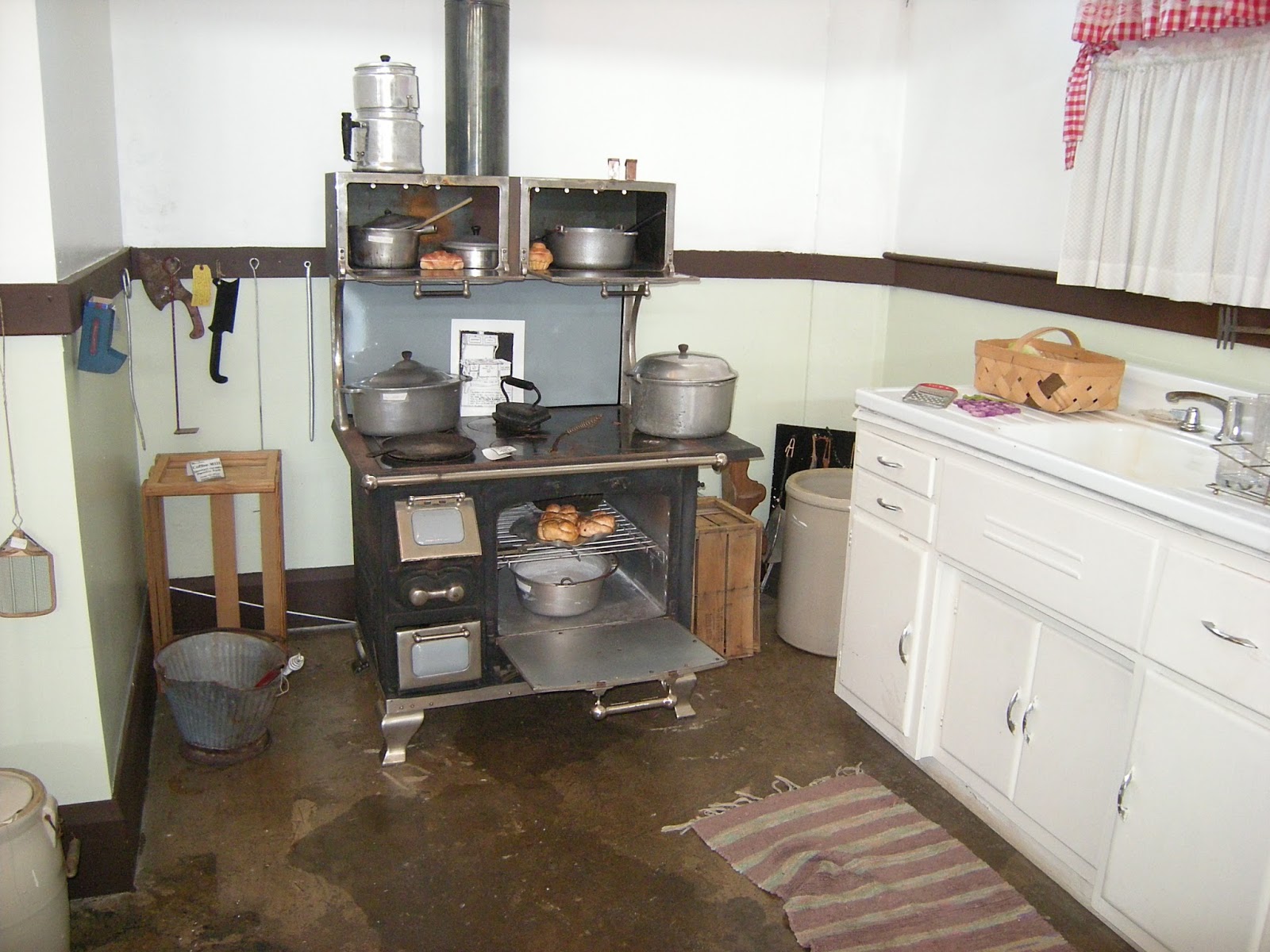
Nothing beats my granny’s cornbread, baked in her iron skillet in her coal-fired cook stove. But, it’s passable to use a modern oven or even cook it on top of the stove. You must, however, use an iron skillet if you want to make it more authentic.

Photo taken at the Kentucky Coal Mining Museum in Benham, KY


Here’s my granny’s recipe:

Put some bacon grease (or butter, if you don’t keep your bacon grease for cooking) in the bottom of your skillet (black, iron skillet) and put it in the oven (set to 400 if you’re using a modern stove) to heat up while you mix your ingredients.


Put some self-rising flour and a little less meal in a bowl. Add a pinch of salt and an egg. Stir in just enough buttermilk to make a thick batter. Just stir it enough to get the lumps out, don’t over-stir it. (Granny never measured. She used her eye to make sure it looked right.)


Take the heated skillet out of the oven and pour the heated bacon grease (or butter) right into the mixture and mix it in. She also melted a couple of tablespoons of bacon grease or butter and put it right on top after she put the mixture into the skillet. Bake it until it’s golden brown (Start eyeing it after about 25 minutes).


If you need a more detailed recipe, you can try this one:

2 cups of cornmeal
½ teaspoon baking powder
½ teaspoon baking soda
¼ teaspoon of table salt (a pinch)
1 large egg
1 ¼ to 1 ½ cups of buttermilk
2 tablespoons of bacon grease for batter, plus 3 for the skillet

Preheat oven to 400°.
Add 2 or 3 tablespoons of bacon grease to your iron skillet and put in the oven, set to 400.
In a large mixing bowl, add all the dry ingredients. Stir.
Add egg. Then add 1 1/4 cups of buttermilk, but if it seems too dry I add another 1/4 cup. Stir sparingly. Batter should be moist, not runny like pancakes. If it looks too wet add just a little more cornmeal.
When the skillet is good and hot, remove it from oven with a good thick pot holder. Add the melted bacon grease/butter to the batter and stir just enough to mix it in. Add batter to the skillet and stick it in the oven.
Bake until the edges turn golden brown (Check after about 25 minutes. Don’t go past 35 minutes or you might burn the bottom. If you’re not sure if it’s done, stick a toothpick in it like you would a cake.
Make sure you use that potholder when you remove it from the oven. Iron skillets get really hot! And they’re heavy.

If you want to fancy up your CORNPONE, there are a few common ingredients you can add.
CORN – Drain a can of corn (or some of your own canned corn) and add it to the mix. Make sure you don’t get too much juice in it or it will be too runny. If you want to add creamed corn, back off on the buttermilk a bit.


CRACKLINS – You may be wondering what a cracklin is. It’s the fried skin of a pig, after the lard is rendered from it. Adds a tasty excitement to your CORNPONE.

A cornpone with cracklins

 CHITLINS – Chitlins (Chitterlings) come from pigs, too. Before you get too grossed out, remember that sausages are made by squeezing the sausage meat into a pig’s intestine. Didn’t know you’d been eating them for years, did you? But, chitlins are cleaned thoroughly and then cooked. Mighty tasty, if you can stomach it.


 ACCOMPANIMENTS WITH YOUR CORNPONE:

My favorite way to eat cornbread as a child was crumbled into a glass of buttermilk. My dad and I loved having it for breakfast or a late-night snack.


Other things that just seem to belong on a plate with a chunk of cornbread are soup beans, tomatoes from the garden, green onions, any kind of soup, and fried chicken.

Of course, no piece of cornbread from your CORNPONE is complete without a slathering of fresh cow’s butter.
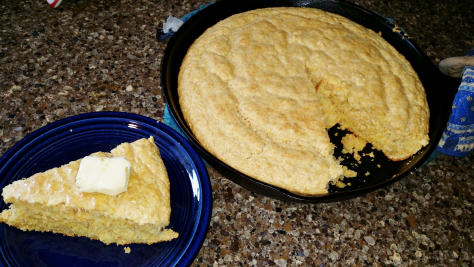
I would open it up, piping hot from the oven, and add a bit more butter

Are you hungry yet? Have you ever made a CORNPONE? If not, it’s not too late.

Thursday, December 29, 2016

Appalachian Word of the Week -- BALONEY SALAD


Of all the food I enjoyed eating around the Christmas season, the one that holds the sweetest memories for me is BALONEY SALAD sandwiches.


Every Christmas Eve, Granny would make a batch large enough to feed Harlan County for our party at her house. I could hardly wait to sink my teeth into a few of them.

BALONEY SALAD is the poor man’s ham.  At least that’s what my family said.


Here’s the recipe:

1 big log of baloney
Boiled eggs (About 4, according to size of batch)
Sweet gherkins, diced tiny
Mayonnaise (Granny used Miracle Whip)


Fitted to Granny’s kitchen table was a metal meat grinder. She peeled and cut the baloney into large chunks and fed it through the grinder. It came out into a big mixing bowl, looking like baloney spaghetti.


Then she fed the boiled eggs through the grinder, according to how much she was making.


Next, she chopped up her gherkins into tiny little bits and added them to the mixture. Mayo came last. Then she stirred it all up together until it became BALONEY SALAD.


Sometimes I got to help with the process. She especially let me help spread the salad onto fresh white Bunny Bread. That fresh, soft bread was the best in the world.


The sandwiches were sliced into two and then placed on platters, covered with foil or Saran Wrap, and then plopped them into the fridge until the party.


When the family arrived and the party was on the way, everyone dived into those BALONEY SALAD SANDWICHES as if they hadn’t eaten anything since Thanksgiving. There was rarely a morsel left at the end of the night.


Yes, those sandwiches still bring a smile to my face when I think about them. As I get older, I realize how special growing up in the mountains truly was. We didn’t have much, but we were abundantly wealthy. Wealth should be measured by your attitude toward your blessings.

As we near the time when we are expected to make resolutions for the new year, how about we look back on our lives and choose to find the blessings in even the smallest of things? I think it could add a lot of joy to our lives in the midst of such suffering and negativity continually being thrown at us.


What’s one memory from 2016 that you count as a blessing?

Wednesday, December 21, 2016

Appalachian Word of the Week -- SNOWCREAM

My childhood front yard

The appropriate word for the week, considering this is the first day of Winter, is one of my favorites -- SNOWCREAM!


As a youngster in the mountains of Harlan County, KY, I lived for the days when a massive snow covered the landscape. Not only did I enjoy playing in the snow, sliding down the mountainside in a saucer sled, and building a snow fort with my brother, but I loved making SNOWCREAM.


Of course, the process of making SNOWCREAM required us to collect fresh, clean (emphasis on clean) snow before anyone got outside and dirtied it up.


We gathered up all the largest pots and bowls from the kitchen and headed outside.


Now, there is a process to gathering snow. Since almost everybody around us heated their houses with coal, we had to first rake off the top layer of snow to remove the black spots of ash that had dropped onto the top layer. That completed, we began scooping snow into our bowls and pots.


Of course, we made sure not to scoop too close to the ground. Lots of dogs and wild animals used the ground for a litter box, so we made sure to avoid any yellow or brown snow. We also didn't want to get grass trimmings in our snow.


After gathering up all of our bowls and pots, we carried it inside to Mom, who was waiting with the bag of sugar, can of cream, vanilla flavoring and the salt box. She also had the hand mixer ready to get the job done faster.


She took the largest bowl and checked to make sure it was clean snow. Then she added about a cup of sugar and started mixing. Then she added pure cream out of the can. Some people make it with milk, but the flavor is nowhere near as good. Then she added vanilla flavoring and a pinch of salt. As the snow melted down, she scooped in more snow and the process continued until every bowl and pot of snow had been added to the mixture. She continued to add sugar and cream until the concoction was perfect and creamy.


She scooped out a bowl of snowcream for each of us and then put the main bowl into smaller bowls that would fit into the freezer for later.


Oh, what JOY to sit in front of the coal stove and eat that snowcream! Our fingers were numb and so were our lips, but we didn't care. It was glorious.


As we made our way through the main bowls of snowcream stored in the freezer, we sometimes added a bit of flavor to the mix. A favorite was Nehi Grape pop. We also tried peach pop, strawberry pop, or chocolate pop. If you don't know what pop is, you may call it soda or soft drink. Back in my day, we had some wonderful flavors available.


So, if you are fortunate enough to get a big snow where you live, why not give it a try and make some SNOWCREAM for yourself? Just make sure you watch out for yellow or brown snow.


Exact recipes don't work for our snowcream. You have to go by taste. If the mix is too sweet, add some snow. If it's not sweet enough, add more sugar. If it's not creamy enough, add more cream. You get the picture.


Have you ever eaten SNOWCREAM? Tell me about your experience.

Wednesday, December 7, 2016

Appalachian Word of the Week -- MESS

My Appalachian word this week is MESS.

Although there are several uses of the word “mess” in Appalachia, and I have been told many times that I am one of those types of mess


and have been responsible for leaving another type of mess, 


the one I am concentrating on this week refers to a MESS of food.

A MESS is the amount of a food item you gather for a meal. The size of a MESS varies, according to the number of people who will be eating the meal. That means a MESS for just me is much smaller than a group of six people. A group of twelve or more would require an even larger MESS.

Although a MESS can refer to a variety of food items, in my family it generally referred to green beans, Swiss chard, tomatoes, green onions, or any other food we grew in our garden. It also referred to wild blackberries or other berries.

However, in my household, we also gathered a MESS of uncultivated greens from our yard.

Last week I told you about poke, but there are several other greens available. Greens that aren't as potentially toxic.

Poke


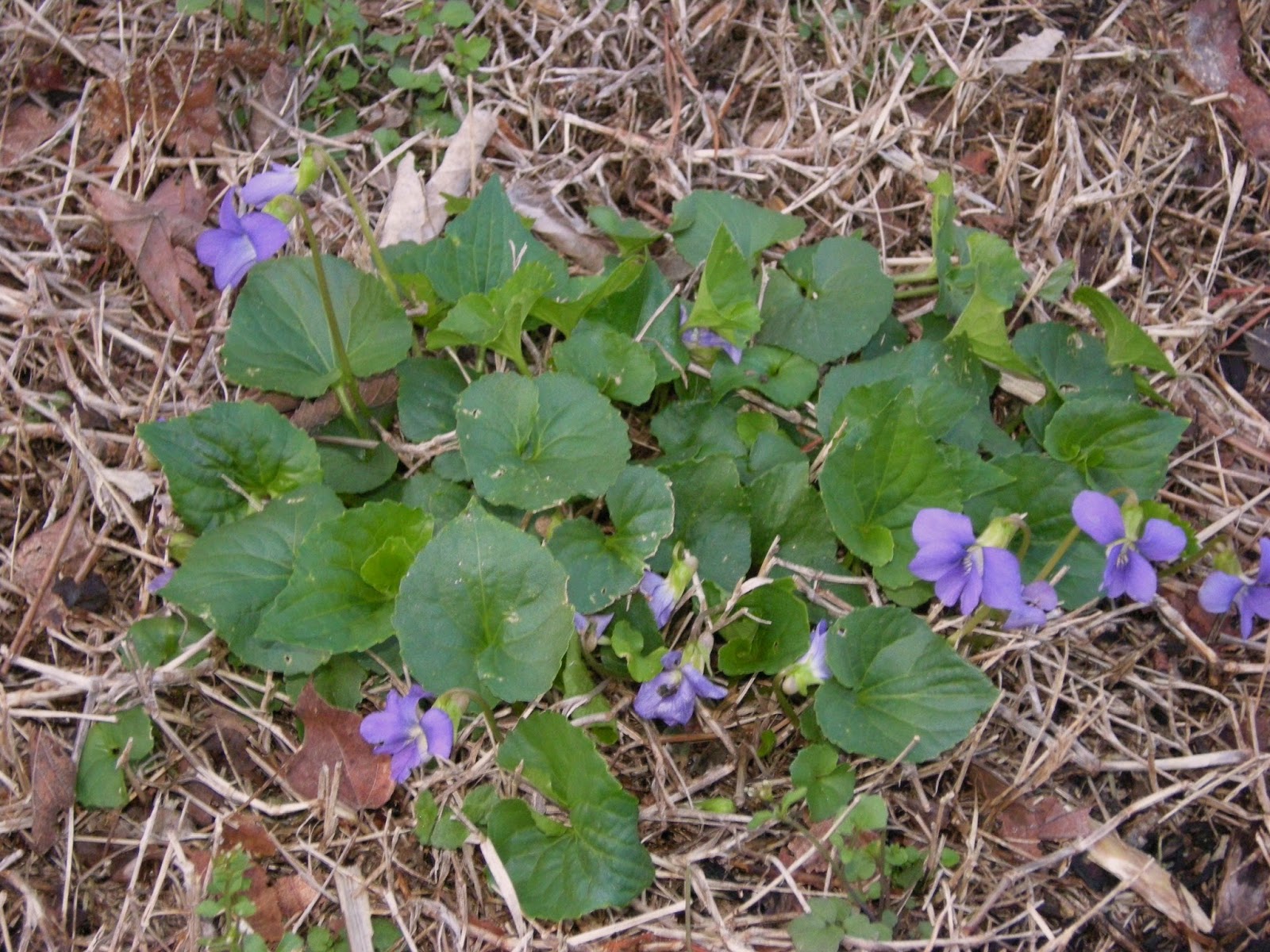
My mother regularly sent me out into the yard to collect plantin’, dandelions, and violets to cook up a good MESS of greens for dinner.


Plantin'


Wild Violets

Dandelions

She cleaned them up (you never knew which critter had stopped for a visit), trimmed them, and threw them into a pot of boiling salted water to cook. In an area where fresh vegetables were usually limited to what you had on hand, the variety of wild greens was a healthy change to the regular menu and extended the supply of canned vegetables from the previous year.


Have you ever eaten the weeds from your yard? If so, what did you serve up?


Wednesday, November 30, 2016

Appalachian Word of the Week -- POKE

My Appalachian word this week is POKE.

This one might be a tad confusing to non-mountain folks. There are two kinds of POKES we refer to in the mountains.

The first kind of POKE is the one you get when you go shopping for your groceries. The paper type, that is. Some of you may call it a sack or a bag. In my part of the country we called it a POKE.


You know the term “pig in a poke”? Well, that’s what the POKE is. Aren’t you glad you finally know what they’re talking about?


There’s also another type of POKE. It’s a green leafy plant that grows wild, uncultivated. In my hometown of Harlan, Kentucky, we even have a POKE Sallet Festival every June to celebrate the POKE weed. If you don’t know what a SALLET is, come back next week to find out.

Special thanks to Corinne Farley for this photo


There’s an important secret about POKE before you go out, gather the plants, and eat them on your own. It’s TOXIC. Yep, it can make you quite ill and can even kill you. Because of that, you need to know exactly how to harvest and prepare POKE to keep from killing anyone.


Here is the link to a Youtube video showing how to harvest and prepare POKE properly.


Most of the people I know add scrambled eggs to their POKE. It can be a tad bitter and the eggs calm down the flavor.


Here’s the Poke Sallet Recipe

1.    Remove Poke leaves from plant
2.    Rinse Pokeweed leaves in cool water
3.    Bring leaves to rolling boil in large pot for 20 minutes
4.    Pour leaves into sieve (colander) and rinse in cool water
5.    Repeat Steps 3 and 4 two more times
6.    Panfry Poke leaves for a couple of minutes in bacon grease
7.    Add crushed bacon, salt and pepper to taste (or add and scramble eggs)
8.    Serve and enjoy

One more secret of the POKE weed plant. As the season progresses, purplish berries appear on the top of the plant. Those berries seem to be the most toxic part of the plant. If you put a berry into your mouth and chew it, you will probably die.


However, some Granny Women and current day natural medical practitioners swear by the healing qualities of those POKE berries if they are swallowed whole without biting or chewing.

Feeling lucky? Me either. I’ll leave the whole POKE plant to someone else to risk, thank you.

So, do you think you would ever try POKE sallet? If so, I recommend you travel to Harlan, Kentucky next June and try it at the POKE Sallet Festival. Check out their website at: 


Make sure you choose a vendor with a long line of repeat customers.